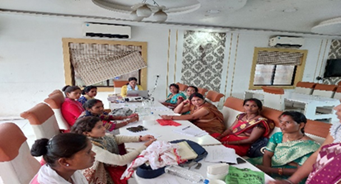
Green Golval Fund – Sivani 2024-2025
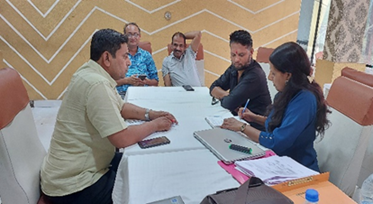
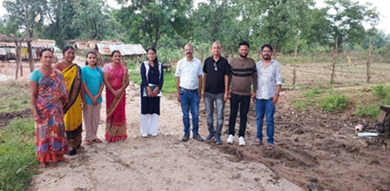
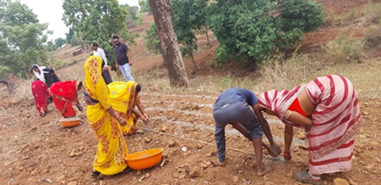
In Seoni District, Kurai Khwasa Block community women were trained and were involved in organic farming and forest conservation.
Introduction: Traditional farming uses chemical fertilizers and pesticides, which can harm health and the environment. Organic food is a natural and safe alternative. Showing real-life examples and recipes is an effective way to teach people about the benefits of organic food.
1. Purpose of the Initiative
Increase community knowledge about organic food, its benefits, and availability. Encourage people to include organic products in their daily diet by sharing tasty and healthy recipes. Create opportunities for direct contact and cooperation between local farmers and consumers.
2.Community Engagement and Activities
Workshops: Organize organic farming workshops at local community centers or online, where participants learn about organic agriculture.
Community Practice: Encourage people to grow their own organic fruits and vegetables, using local resources.
3. Beneficiaries
Women, Men, Youth, and Indigenous Communities – Capacity Building in Organic Farming
Community meetings were held at the village level to raise awareness among women and girls about leadership, values, and provide information on organic farming.
Understanding and capacity were developed among women from marginalized communities to address social, economic, and political issues, express themselves, and take leadership roles to solve and explain community problems.
The purpose of women’s organizations is to empower women, promote values and traditional crops, and bring forward issues related to women’s livelihoods.
Women, men, and youth were encouraged to work on livelihood opportunities such as agriculture and traditional crops, promoting organic farming and traditional food practices.
4. Strengthening the Program
In Kurai Khwasa block, Seoni district, the organization strengthened its work on forest rights, gaining confidence and courage to reach more people in the community.
Women leaders from marginalized communities were encouraged to promote organic farming and traditional crops, while also building the leadership and empowerment of women leaders in the organization.
Satyakam Jan Kalyan Samiti was established in 2006. It is a grassroots organization working to ensure every person can live with dignity and self-respect in a fair and equal society. It supports Scheduled Castes, Scheduled Tribes,
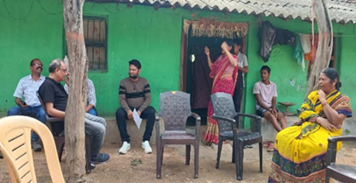
marginalized, and socially and economically excluded communities in their social and economic development and in claiming their rights.
in 10 selected villages of Khwasa block, the organization worked with marginalized communities, including Dalit, tribal, minority, and poor women and adolescent girls, to improve their well-being. The work focused on justice, equality, values, empowerment, organic farming, traditional crops, and forest conservation at the community level.
In process Sanghatans Learning
Even with limited time, women and girls were supported through the project.
Livelihood opportunities were provided in forest conservation, agriculture, traditional crops, and small-scale industries.
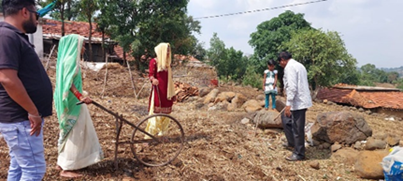
Women received advice and information on legal matters.
Women and girls were trained to handle injustice, violence, constitutional rights, and discrimination, and were prepared as local leaders.
Marginalized women and girls were organized and brought together for collective action.
In Khwasa block, which is mainly inhabited by the Gond tribe, the organization engaged women, men, and youth from sub-tribes like Pardhan, Nagarchi, Ojha, and Rajgond, successfully reaching community members and achieving organizational goals.
The community was connected to work on forest conservation, organic farming, and traditional crop livelihoods.
Organic Farming Initiative and Women’s Empowerment under the Project
Project Goal
To empower women by increasing their skills and knowledge on equality, sustainable livelihoods, and forest conservation through extensive training, skill development, and legal awareness.
Specific Objectives
Forest Conservation and Livelihood Promotion
• Strengthen women’s small-scale development and skills in income-generating activities.
• Facilitate access to financial resources and networks for women entrepreneurs.
• Promote sustainable and eco-friendly livelihoods that match local needs and environmental concerns.
Awareness and Knowledge
• Increase awareness about equality and women’s rights within the community.
• Engage men and boys as partners to promote gender equality.
• Collaborate with local authorities and organizations to advocate for gender-sensitive policies.
Review
• Reviews are divided into three main types: introductory review, analytical review, and evaluative review.
• Planning includes strategic, operational, tactical, and contingency planning.
• Challenges involve facing difficulties, understanding aspects of challenges, dealing with tough situations, and staying determined to overcome obstacles, similar to running a marathon, and supporting one’s point of view.
During the program, the team learned how to use their time well, work together with women, and follow plans and rules. They also realized the challenges of having fewer committees and certain requirements. Even with limited resources, the team and women stayed connected, reached more people, and completed their work successfully. The program also taught them important lessons about finishing tasks on time and handling challenges.